Free Delivery  ·  COD Available  ·  15-Day Returns
Elecvora
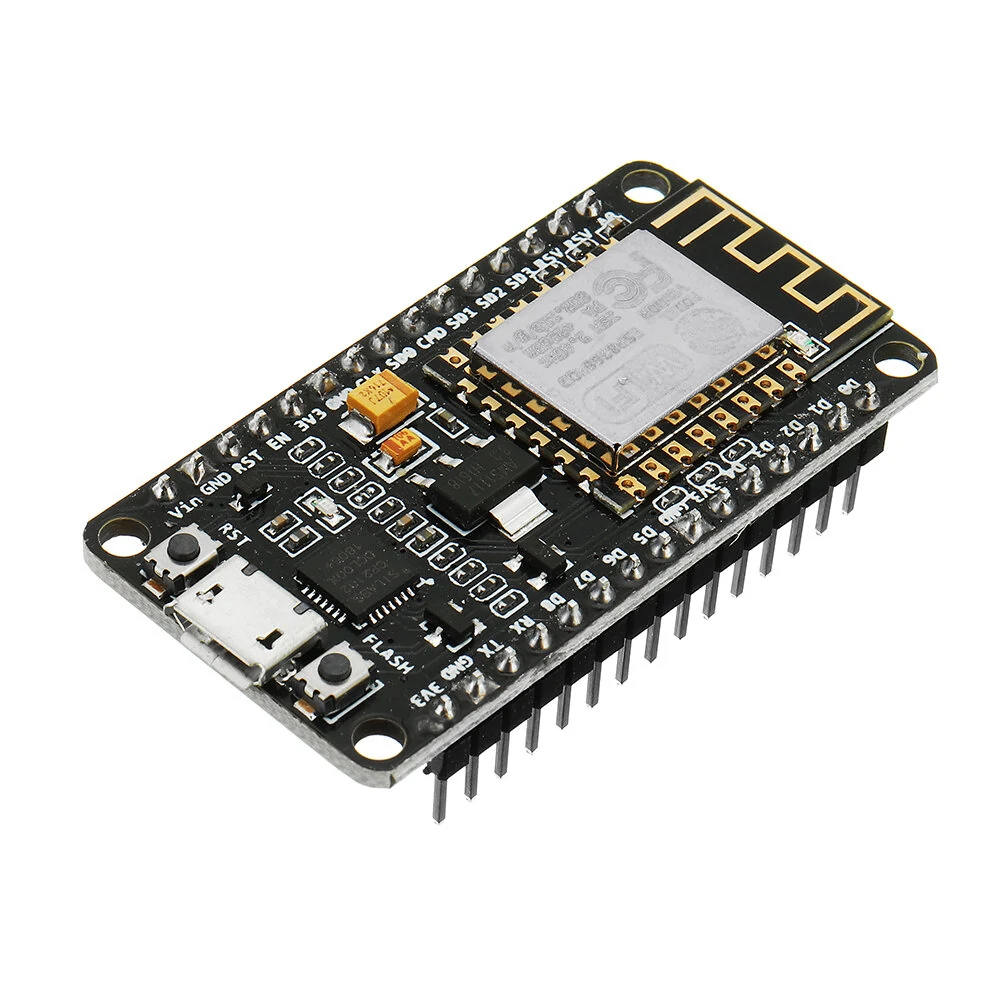
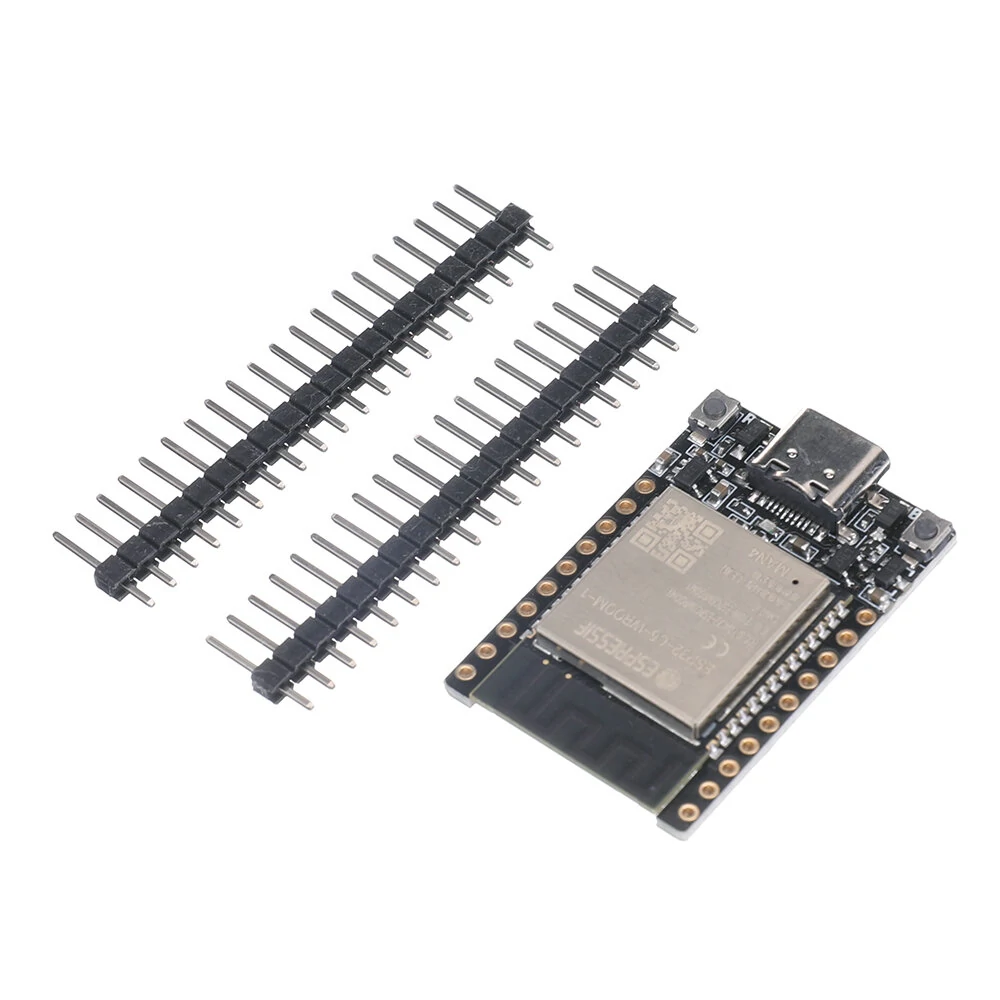
ESP32-C6 Development Board ESP32-C6 Series module WiFi6 ESP32 Board Microcontroller Module Board — image 1
Hover to zoom

1 / 9 · Click to enlarge

ESP32-C6 Development Board ESP32-C6 Series module WiFi6 ESP32 Board Microcontroller Module Board

5.01 rating
528+ bought in past month
AI Summary
Motherboard & Development Board for everyday users

The ESP32-C6 Development Board ESP32-C6 Series module WiFi6 ESP32 Board Microcontroller Module Board is a value-for-money motherboard & development board designed for everyday users.

₹1,302-1%
MRP:₹1,315Save ₹13
Free Shipping💵 COD Available

Available Offers

Free Delivery on this order. No minimum order value.

15-Day Easy Returns — hassle-free return & full refund.

Secure Payment — 100% safe checkout with UPI, Cards & Net Banking.

Total: ₹1,302
Buying tip: A well-rounded choice at a fair price. Recommended for most buyers.
Estimated delivery: 24 Aug7 Sept
Free Shipping
Pan India delivery
15-Day Returns
Hassle-free policy
Secure Payment
Razorpay protected
Quality Assured
Vetted products only

Available Offers

💳

5% Cashback

Pay with UPI & get 5% cashback (up to ₹50) via Razorpay

🏦

No-Cost EMI

Available on select bank cards at checkout. 0% interest for 3 months.

📦

Free Shipping

Free delivery on all orders. No minimum order value.

💵

Cash on Delivery

COD available on orders up to ₹5,000 across India.

Ideal For

Everyday convenience
Share:
SKU: bg-1990906Category: Motherboard & Development Board

About This Product

The ESP32-C6 Development Board ESP32-C6 Series module WiFi6 ESP32 Board Microcontroller Module Board is a value-for-money motherboard & development board designed for everyday users. It delivers reliable performance at an accessible price.

Why Buy from Elecvora?

Elecvora sources this product directly, cutting out multiple middlemen. Every order includes free shipping, a 15-day return policy, and secure payment via Razorpay.

Description:


The ESP32-C6 Development board is a versatile Wi-Fi, IEEE 802.15.4, and Bluetooth LE module with powerful features. It uses the ESP32-C6 chip, equipped with RISC-V 32-bit single-core processor, has 4 MB external SPI flash memory, and integrates rich peripherals, including SPI, UART, I2C, on-board antenna, and up to 23 GPIO and other interfaces. Integrated lithium battery charging chip. Rich peripherals and high performance make this module ideal for smart homes, industrial automation, healthcare, consumer electronics, and more. Features: Equipped with RISC-V 32-bit single-core processor, the operating frequency is up to 160 MHz with 320 KB ROM,512 KB SRAM,16 KB Low-power (LP) SRAM Support IEEE 802.11ax protocol, IEEE 802.11 b/g/n-compliant Support Bluetooth BLE 5 Integrated lithium battery charging chip Rich peripheral interfaces, including 23 GPIOs, UART, I2C, I2S, RMT (TX/RX),LED PWM, etc. Specification:


Model: ESP32-C6-WROOM-1-N4 Module Chip: ESP32-C6 chip, RISC-V 32-bit single-core processor, supports clock frequency up to 160 MHz Works in 2.4 GHz frequency band, 1T1R Supports Bluetooth Low Energy 5.0 4 x virtual Wi-Fi interfaces Support IEEE 802.11ax protocol, Compatible with IEEE 802.11b/g/n protocols, supporting 20 MHz and 40 MHz bandwidth-data rates up to 150 Mbps Compatible with IEEE 802.15.4-2015 protocol, working in 2.4 GHz frequency band, supporting OQPSK PHY/Thread 1.3/Zigbee 3.0 Antenna form: onboard PCB antenna Support interface: UART, I2C, I2S, RMT (TX/RX), LED PWM, USB Serial/JTAG controller, etc. Operating temperature: -40℃~85℃ Power supply range: 0~3.6V Integrated lithium battery charging chip SPI Flash: 4MB Size: 37 x 24mm Weight: 5g Package Included: 1 x ESP32-C6 Development board


Product Safety Information

Setup Guide

1
Identify the pins
Locate VCC (power), GND (ground), and data pins (SDA/SCL for I2C, MOSI/MISO for SPI, or TX/RX for UART). Refer to the pinout diagram on the product page.
2
Wire to your microcontroller
Connect VCC to 3.3V or 5V (check the module spec), GND to GND, and data pins to the appropriate GPIO pins on your Arduino or Raspberry Pi.
3
Install libraries
In Arduino IDE, go to Sketch → Include Library → Manage Libraries and search for the sensor library. Install the recommended version.
4
Upload example sketch
Open File → Examples → [library name] → Basic Example. Upload to your board and open Serial Monitor to view output.
5
Calibrate if needed
Some sensors (temperature, humidity, distance) may need a short warm-up period or calibration. Run the calibration sketch if provided.